
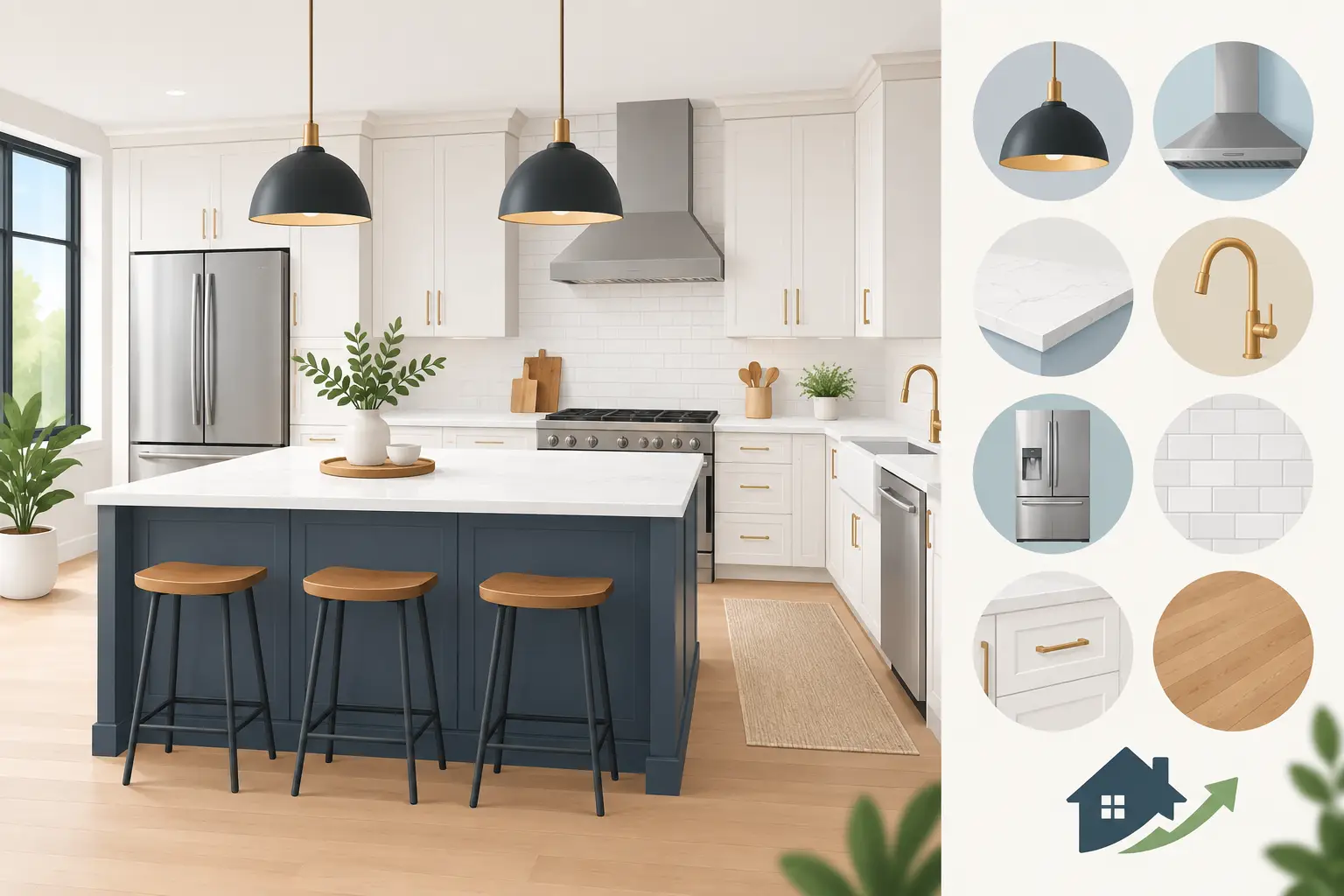
A kitchen can make a buyer picture an easier morning, a better family dinner, or a home they will not need to renovate right away. That is why the best kitchen upgrades for resale are rarely the flashiest ones. They are the improvements that make the room feel clean, current, durable, and ready for daily use.
For Atlanta homeowners preparing to sell in the near future, the goal is not to build the most expensive kitchen on the block. It is to make practical decisions that fit the home's value, layout, and likely buyer. A coordinated renovation with durable flooring, functional storage, quality lighting, and well-chosen finishes can create a stronger first impression without wasting budget on features that may not pay back.
Start With the Kitchen's Condition and Price Range
Before choosing materials or fixtures, look at what is holding the kitchen back. Worn flooring, dated cabinets, poor lighting, damaged countertops, and limited storage tend to stand out immediately during showings. Buyers may accept a kitchen that is modest in size or style, but they are less willing to take on obvious repair work after closing.
The right scope depends on the home. A full kitchen remodel can make sense when the existing layout is inefficient, finishes are failing, or surrounding rooms have already been updated. In other cases, refinishing floors, repainting cabinets, installing new counters, and replacing dated fixtures may deliver a much better return than moving walls or relocating plumbing.
Keep the neighborhood in view. A high-end professional range and custom specialty cabinetry may fit a luxury home, but they can overextend the budget in a mid-range property. Buyers respond best when the kitchen feels appropriately finished for the home rather than dramatically overbuilt.
Best Kitchen Upgrades for Resale: Focus on What Buyers Touch
The most valuable improvements tend to be the ones buyers see and use right away. They influence how the kitchen photographs online, how it feels during a walkthrough, and whether the home appears move-in ready.
1. Update Flooring for a Connected, Durable Look
Flooring carries the eye from one room to the next, which makes it one of the most effective ways to improve a kitchen's overall appearance. Damaged vinyl, dated tile, or a floor that stops awkwardly at the kitchen entrance can make an otherwise updated space feel unfinished.
Hardwood flooring is especially attractive when it continues from living areas into an open kitchen plan. It creates visual consistency and gives the home a warmer, more established feel. In kitchens where solid hardwood is not the best fit, engineered wood or another high-quality, water-resistant option can provide a similar coordinated result.
Material selection should be practical. Kitchens see spills, dropped pans, pet traffic, and frequent cleaning. Choose a finish and product suited to that use, then make sure transitions, baseboards, and adjacent flooring are handled cleanly. Buyers notice details at doorways and islands, even if they cannot explain why the room feels polished.
2. Improve Cabinets Before Replacing Them
Cabinets take up a large amount of visual space, so their condition matters more than many homeowners expect. If the cabinet boxes are solid and the layout works, replacement is not always necessary. Professional painting or refinishing, new hardware, and repaired doors can give a dated kitchen a major lift.
Neutral cabinet colors usually have broad appeal. Warm whites, soft greiges, natural wood tones, and restrained darker accents can all work when matched with the counters and flooring. Extremely personal colors or heavily distressed finishes may narrow the buyer pool.
When replacement is needed, prioritize function over decorative extras. Soft-close doors and drawers, full-extension drawer boxes, and a well-planned pantry or tall cabinet add everyday value. Avoid reducing usable storage simply to create open shelving. A small amount of open display space can look good, but most buyers still want cabinets that hide dishes, appliances, and household supplies.
3. Choose Countertops That Look Clean and Last
Countertops are one of the first finishes buyers touch. They should look well maintained, resist normal kitchen use, and work with the rest of the room. Quartz remains a strong resale choice because it offers a clean appearance, consistent color options, and low maintenance. Natural stone can also appeal to buyers, but it may require more care and can vary more in pattern and performance.
A simple edge profile and a neutral surface usually serve resale better than a busy pattern or a highly unusual color. The countertop does not need to be plain. It needs to support the whole kitchen instead of competing with cabinets, backsplash, flooring, and paint.
If the budget is limited, replacing visibly worn laminate or damaged tile countertops can change the room quickly. Pair the new surface with a clean backsplash installation and properly finished edges. Small workmanship details affect whether an update looks professional or temporary.
4. Add Useful Lighting, Not Just Decorative Fixtures
A kitchen with one overhead fixture often feels dim, especially around counters and sinks. Better lighting makes the room look larger, cleaner, and more functional in both listing photos and person.
Layered lighting is the practical approach. Recessed ceiling lights provide general illumination, while under-cabinet lighting brightens work surfaces. A properly sized pendant over an island or dining area can add character without becoming the room's only source of light.
Choose fixtures with simple shapes and finishes that coordinate with cabinet hardware and faucets. Warm, natural-looking light is usually more inviting than harsh blue-white bulbs. If electrical work is required, it should be planned alongside the rest of the renovation rather than treated as an afterthought.
5. Make the Layout Work Harder
Buyers pay attention to flow. They notice whether the refrigerator blocks a walkway, whether there is room to set groceries down, and whether multiple people can use the kitchen without colliding. A complete layout change is not always needed, but small adjustments can solve major frustrations.
An island can add prep area, storage, and casual seating if the room has enough clearance around it. In a tight kitchen, however, an oversized island can make the space harder to use. It may be better to improve a peninsula, add a narrow pantry cabinet, or increase drawer storage instead.
Consider practical features that support daily routines: a pullout trash cabinet, deep drawers for pots, a pantry organizer, or a dedicated microwave location. These are not dramatic upgrades, but they help a buyer see the kitchen as organized and easy to live with.
6. Refresh Appliances and Fixtures Strategically
Appliances should look clean, functional, and reasonably coordinated. A mismatched set is not always a deal-breaker, but a broken dishwasher, aging cooktop, or heavily worn refrigerator can lead buyers to assume other parts of the home have been neglected.
Stainless steel remains a safe choice in many Atlanta homes, while panel-ready appliances generally make sense only in higher-end projects with cabinetry designed around them. Match the appliance package to the kitchen's price point. Reliability and a cohesive appearance matter more than adding every available feature.
A new faucet, sink, cabinet hardware, and disposal can provide a noticeable improvement for a controlled cost. Select finishes that are easy to maintain and avoid mixing too many metal colors. One deliberate contrast can work, but an assortment of unrelated finishes can make a renovated kitchen feel pieced together.
Do Not Spend for Resale Without a Plan
Some upgrades are worthwhile for personal enjoyment but may not bring a comparable resale benefit. Specialized wine systems, oversized commercial-style appliances, elaborate pot fillers, and highly customized storage can be appealing to the right buyer, but they should not come before flooring, cabinets, counters, lighting, and repairs.
The same is true for major structural changes. Removing walls may improve an older, closed-off kitchen, but it also adds cost, permitting considerations, and construction time. It is most effective when it improves the home's natural flow instead of following a trend that does not suit the layout.
A coordinated scope protects the investment. Flooring, cabinetry, paint, counters, and lighting should be selected together so undertones, transitions, and proportions make sense. Floor's Leader approaches kitchen work as part of the larger home, helping homeowners avoid an updated kitchen that clashes with adjoining rooms or newly improved outdoor living areas.
Finish for the Buyer, Then Enjoy It Yourself
A resale-focused kitchen should still feel like a home, not a staged showroom. Use durable materials, straightforward finishes, and storage that supports real life. Complete repairs, keep the color palette flexible, and invest in workmanship that holds up under daily use.
The best time to make these decisions is before materials are ordered, when the full kitchen and connected spaces can be considered together. A kitchen that feels bright, functional, and finished gives future buyers one less project to worry about - and gives you a better space to enjoy until it is time to sell.
Get a free quote from Floor's Leader.